

A simple truth: a clear chatgpt prompt gives better answers. A prompt is the message you send to guide the model. This guide is for students who want pro prompt skills without wasting time.
You will learn the basics, the rules, plug-and-play templates, how to iterate, and a quick checklist. The promise is simple: save time, reduce rewrites, and get higher quality work. Use AI as a helper, cite sources, and follow your class rules. Always keep your own voice.
What is a ChatGPT prompt and why it matters in 2025

A ChatGPT prompt is the instruction you give the model so it knows what to do. Think of it like a GPS address for your task. If you are vague, it takes the long way. If you are clear, you arrive fast.
Strong prompts produce stronger results. They turn messy output into focused notes, clean outlines, or step-by-step help. That means fewer follow-ups, less frustration, and more time to study. Students gain the most because your work is structured by tasks and deadlines.
Short example:
- Weak: “Summarize this chapter.”
- Strong: “Summarize chapter 4 of Introduction to Psychology for a 10th grade reader, 150 words, 3 bullet takeaways, include 1 key term with a simple definition.”
The second one guides length, level, structure, and vocabulary. Quality jumps because the request is clear. This is the fastest win for students who want better grades with less stress. If you want fresh prompt ideas from student communities, review these curated student-built prompts in Business Insider’s feature on college-tested ideas: 100 ChatGPT prompts created by college students.
A simple definition of a ChatGPT prompt (with a quick example)
A ChatGPT prompt is a clear instruction that tells the model what to do, how to do it, and for whom.
- Weak prompt: “Summarize the chapter.”
- Improved prompt: “You are a study coach. Summarize chapter 7 on photosynthesis for a 9th grader, 120 words, 3 bullets, define chlorophyll in one sentence.”
Why the improved one works: it sets a role, audience, scope, and format. It removes guesswork.
Why a strong ChatGPT prompt saves time and boosts grades
- Clearer answers, less confusion.
- Fewer follow-up messages.
- Faster study sessions with organized notes.
- Better structure for essays and reports.
- Stronger support for code, math, and projects.
Tie these to your tasks: lecture notes, lab reports, reading summaries, practice quizzes, code review, and project plans.
Parts of a strong prompt: role, task, context, constraints, format
Use RTCCF as your memory aid.
- Role: who the model should be, for example tutor or TA.
- Task: what you need, for example outline, summary, or steps.
- Context: background info, course, sources, or scope.
- Constraints: length, limits, style, banned filler.
- Format: the structure you want, for example bullets, table, or headings.
One-sentence example: “You are a TA, write a 200-word summary of Article X for a first-year biology class, use plain words, 3 bullets, and include one direct quote.”
Weak vs strong prompts: quick before-and-after examples
- Essay outline
- Before: “Outline my essay on climate change.”
- After: “You are a writing coach. Create a 5-point outline on climate change impacts for a first-year college essay, include a thesis, 3 body points with one source idea each, and a short conclusion.”
- Study notes
- Before: “Give me notes on the French Revolution.”
- After: “Make concise study notes for AP European History on the French Revolution, 8 bullets, label causes, key events, outcomes, and add 2 sample quiz questions.”
For more prompt ideas you can adapt, see Growth Tribe’s list of 100 powerful ChatGPT prompts.
Core rules for a high quality ChatGPT prompt
Your chatgpt prompt should follow simple rules every time. These rules improve clarity, speed, and accuracy. Add one or two details per rule and watch your results improve.
Be clear and specific about the task
Add topic, length, audience, and deadline. Clear beats clever.
- Before: “Help me with my lab.”
- After: “Create a 6-step lab method summary for a first-year chemistry lab on titration, under 150 words, readable in under 60 seconds.”
Quick checklist: who, what, why, length, deadline.
Give context and a goal so answers fit your need
Background makes the model useful. State class level, source type, and grading focus.
- Example: “For a sophomore-level sociology class, summarize two peer-reviewed sources on social capital in 120 words, goal is to prepare for a compare-contrast paragraph.”
Set role, tone, and voice for the model
A role shapes how the model thinks. Tone shapes how it speaks.
- Roles: tutor, TA, coach, lab partner, study buddy.
- Tones: friendly, formal, concise, motivational.
- One-line example: “You are a patient math tutor who explains steps first, then the final answer, in a calm and concise tone.”
Ask for output format and length you can use
Tell it the shape of the answer.
- Example: “Give me a 5-bullet checklist with short headings and one sentence under each, under 180 words total.”
Useful formats for students: outline, steps, table, checklist, bullets, Q&A.
Add constraints and examples to guide quality
Constraints keep the output tight and clean.
- Examples of constraints: number of points, banned filler, cite sources, use plain words, include 1 quote.
- Tiny few-shot pattern: “Example style: ‘Term: Photosynthesis. Plain definition: Plants use light to make food. Key detail: Chlorophyll absorbs light.’ Use that format for 3 terms.”
To see student-friendly prompts that avoid cheating and focus on learning, scan MyTutor’s guide to top ChatGPT prompts for students.
ChatGPT prompt templates for students (copy and adapt)
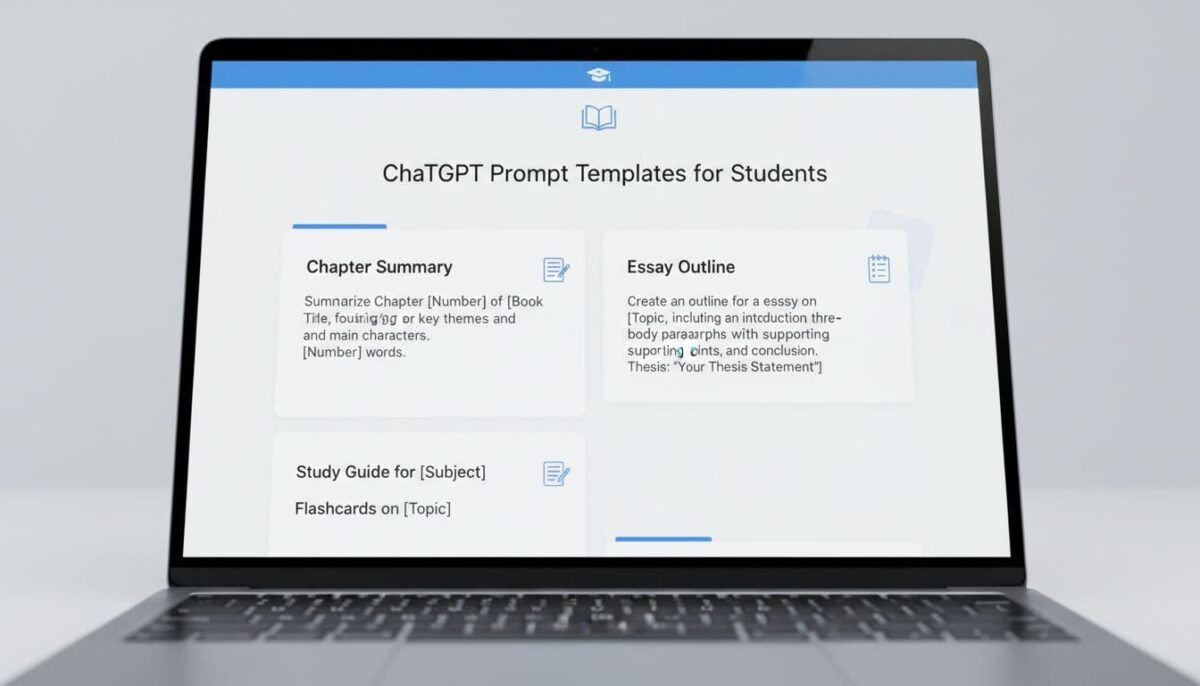
Study notes and revision templates
- Chapter summary template
“You are a study coach. Summarize [chapter/topic] for a [grade level] student in [word count]. Use [bullets or short paragraphs], include [number] key terms with plain definitions, end with 2 quiz questions.” - Concept compare template
“Create a compare-contrast table for [concept A] vs [concept B] for [class level]. Include definition, 3 key differences, 2 similarities, and one real example.”
Filled example:
“You are a study coach. Summarize Chapter 3 on Cell Structure for a 10th grader in 150 words. Use 5 bullets, include 3 key terms with plain definitions, end with 2 quiz questions.”
Essay and report templates
- Thesis and outline template
“You are a writing TA. Propose a clear thesis and a 5-point outline on [topic] for a [class level] essay, include 1 credible source idea per body point and a brief conclusion.” - Paragraph rewrite with citations template
“Rewrite this paragraph for clarity and active voice, keep under [word count], add in-text citations in [style] for the claims, and list 2 source ideas at the end: [paste paragraph].”
Filled example for history:
“You are a writing TA. Propose a clear thesis and a 5-point outline on the causes of the American Civil War for a first-year history essay, include 1 credible source idea per body point and a brief conclusion.”
Coding, math, and problem-solving templates
- Explain code with comments template
“You are a code tutor. Explain this [language] function with inline comments, then provide a short summary of what it does, list time complexity if relevant: [paste code].” - Solve a math problem with steps template
“You are a math tutor. Show step-by-step reasoning first in numbered steps, then give the final answer, keep the explanation under [word count]: [paste problem].”
Filled example:
“You are a math tutor. Show step-by-step reasoning first in numbered steps, then give the final answer, keep the explanation under 120 words: Solve 2x + 5 = 19.”
Language learning and explanation templates
- Explain like I am 12 template
“Explain [topic] like I am 12, use simple words, 3 examples, and one short analogy. Keep it under [word count].” - Vocabulary practice with examples template
“Create a 10-minute practice set on [topic or theme], include 6 new words with plain definitions, one sentence example each, and a 3-day practice schedule.”
Filled example:
“Explain inflation like I am 12, use simple words, 3 examples, and one short analogy. Keep it under 160 words.”
If you want more inspiration to expand your template library, check this large prompt list for 2025 and adapt what fits your classes: 500+ best prompts for ChatGPT. Community-tested frameworks can also spark ideas, like this discussion thread that breaks down high-performing structures: tested 1,000 prompts in 2025.
Iterate and troubleshoot your ChatGPT prompt for better results
Good prompts improve with small tweaks. Use a simple loop and keep notes. You will build speed and accuracy after a few runs.
Step-by-step refinement process that takes minutes
- Read the output without skimming.
- Note gaps, errors, or missing parts.
- Add missing details to the chatgpt prompt.
- Test again with one change at a time.
Small example, two rounds:
- Round 1 prompt: “Summarize Article X about renewable energy, 150 words.”
Result: generic, no structure. - Round 2 prompt: “You are a study coach. Summarize Article X on solar adoption for a college freshman, 150 words, 3 bullets with headings, include one statistic and a short final takeaway.”
Result: clear bullets, useful stat, strong takeaway.
Fix vague, wrong, or biased answers
Use quick prompts to repair issues.
- Ask for sources: “List your sources or where the facts came from.”
- Ask for short steps: “Explain in numbered steps under 120 words.”
- Ask for citations: “Add in-text citations in APA and a brief reference list.”
- Ask for scope: “Limit to causes, then effects, then one example.”
Models can be wrong or outdated. Fact-check key claims, especially dates, stats, and quotes. When needed, ask for what changed and why.
Build a personal prompt library that grows with you
Save your best prompts with names, tags, and notes. Organize by class or task.
- Folder ideas: Biology, History, Math, Coding, Writing.
- Naming pattern: Course_Task_Format_Version, for example Bio101_Notes_Bullets_v2.
- Notes: what worked, what to change next time, and a one-line goal.
Academic integrity, privacy, and safe use
Follow your class policy. Do your own thinking. Cite sources when ideas or wording come from AI or linked materials. Do not paste private data.
Use a short disclosure when required: “I used AI to help generate an outline and to clarify concepts. I verified facts and wrote the final draft myself.”
Example1:
you can generate this image
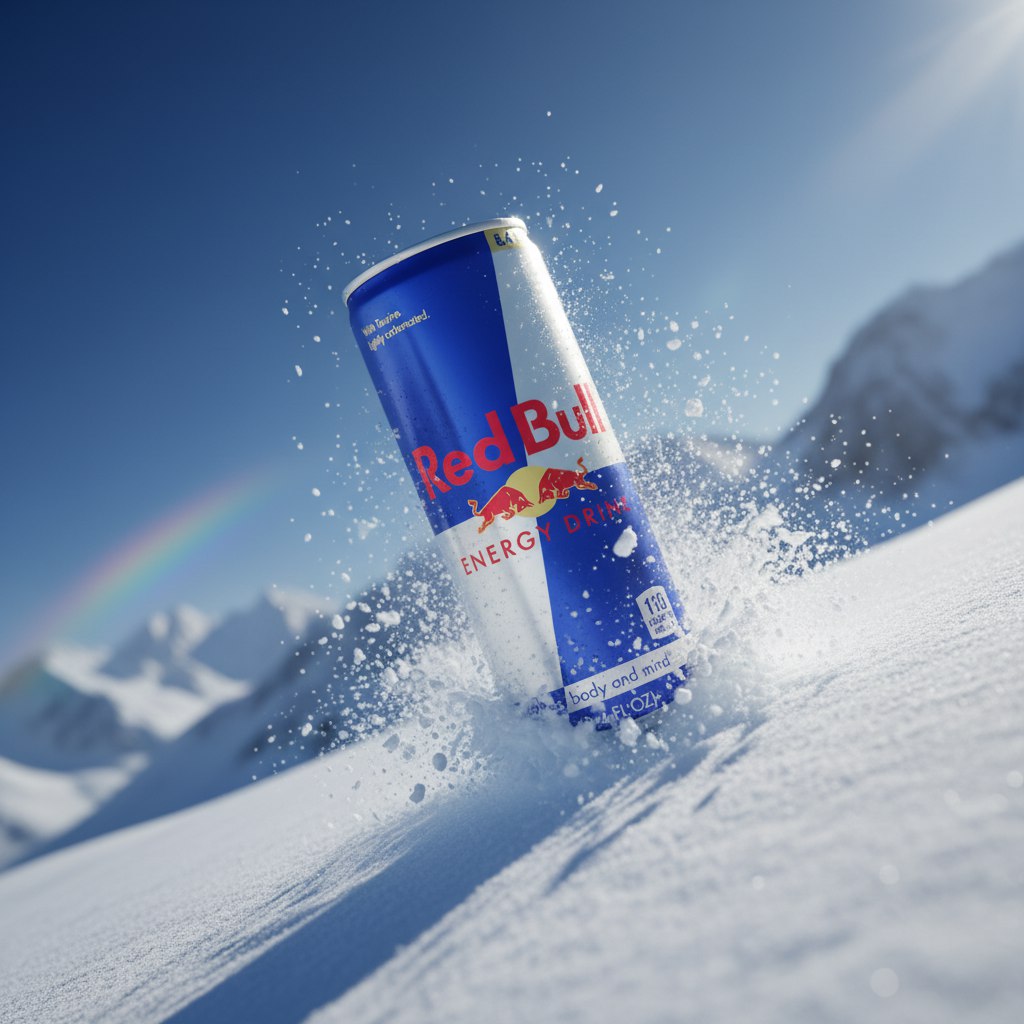
with this prompt:
Create an ultra realistic 4K vertical1:1 image featuring the uploaded product photo positioned diagonally across the frame, suspended in mid-air with dynamic forward motion. Reproduce the same deep navy background with a soft radial glow behind the product, maintaining the smooth gradient falloff and clean studio atmosphere. Match the bright, cool-toned spotlight illuminating the product from the upper left, creating crisp highlights, saturated reflections, and glossy specular accents across all materials while preserving accurate color temperature. Add a more pronounced water environment in the background by increasing the volume of splashing water, wide curved arcs, secondary splash layers, and fine floating mist, all subtly blurred to preserve depth while enhancing the dynamic energy of the composition. Surround the product with splashing water droplets and dynamic floating elements created exclusively from the product’s own energy drinks, dynamically synced with the product’s real contents, ensuring realistic motion blur variation, refraction, translucency, crumb texture, and depth separation. Keep the liquid splash wrapped around the product with high-energy curvature, sharp edges, micro-bubbles, and detailed water-like fluid behavior matching the lighting direction and shadow pattern. Ensure the inserted product retains its exact authentic shape, proportions, scale, materials, textures, finishes, labels, and all printed details perfectly sharp, legible, and unchanged. Integrate the product naturally with accurate occlusion, correct refraction through water, realistic shadow softness, subtle light bounce, and consistent environmental color harmony. Maintain the shallow depth of field, high-contrast cinematic mood, and vibrant blue atmosphere of the reference. Render in ultra realistic quality, 4K resolution, 1:1format.
Example2:
you can generate this image
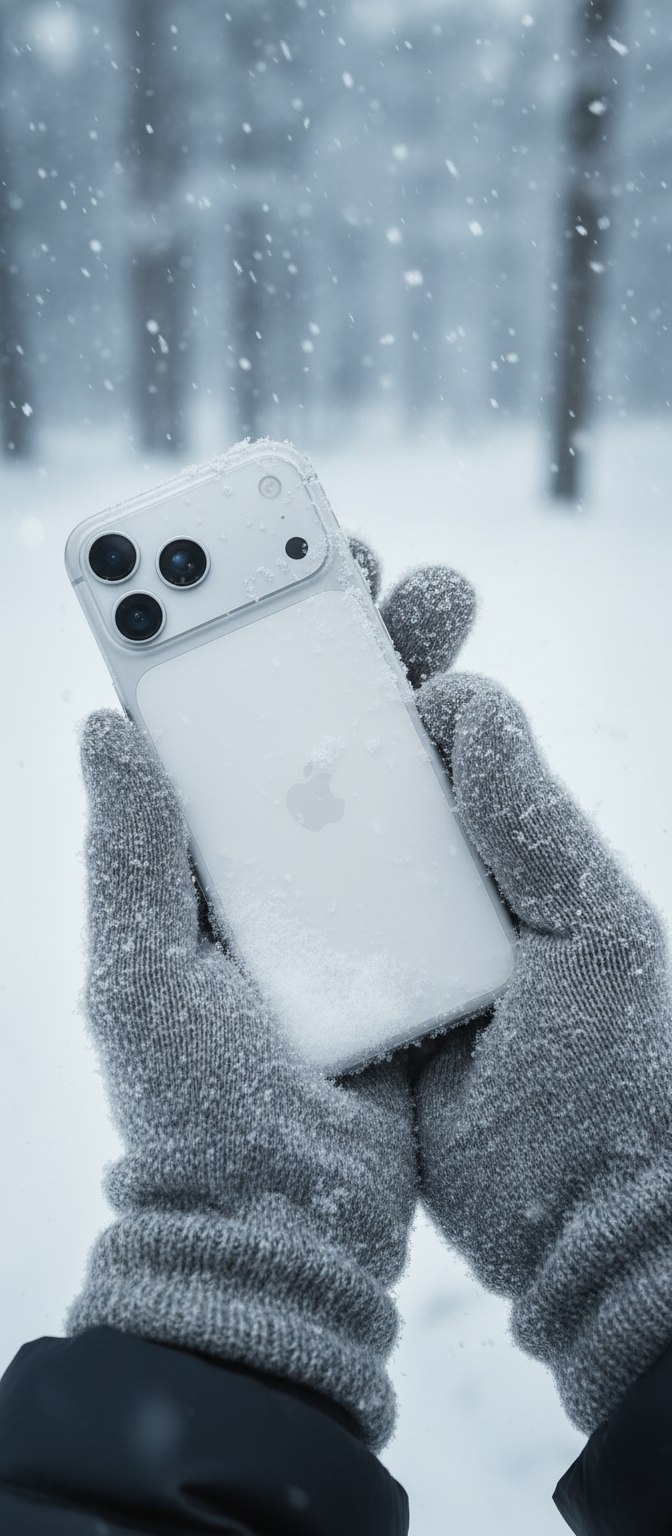
with this prompt:
Create an ultra realistic 4K 1:1 image that exactly recreates the visual language, composition, winter atmosphere, lighting, and hand positioning of the inspiration image while adapting the scene to any inserted product. Place the product securely between two winter gloves with the same cupped hand position as the reference, ensuring the product rests naturally inside the hands with a subtle, organic tilt rather than standing perfectly upright. The hands must wrap gently around the product with accurate contact deformation, realistic pressure, correct finger curvature, and visible snow resting on the fabric exactly as in the inspiration photo. The product must interact physically with the gloves, pressing slightly into the soft material with natural shadowing, occlusion, and weight. Preserve the inserted product exactly as it exists in real life with fully accurate shape, proportions, materials, colors, finishes, reflections, transparency, textures, labels, typography, engravings, and all micro-details remaining perfectly sharp, unchanged, and correctly integrated. Do not alter or reimagine the product in any way. Recreate the same cold outdoor environment with a softly blurred snowy background, cool blue-gray tones, diffused natural light from above, and realistic depth separation. Add floating snowflakes with natural motion, size variation, and gentle atmospheric scattering. Ensure the lighting matches the inspiration image with soft specular highlights, subtle color bleeding, realistic bounce light on the gloves, and smooth falloff across the scene. Analyze the product’s packaging for any ingredient-related motifs and incorporate only those visuals as subtle atmospheric particles if they exist. Do not infer or introduce any ingredients not explicitly printed on the label. If no ingredient visuals are present, use only neutral winter effects such as soft snowflakes, cold air haze, frost particles, or micro ice crystals. Maintain the cinematic realism, mood, clarity, lens behavior, shallow depth of field, and environmental physics of the inspiration image while allowing the product itself to change. Ensure the final image looks exactly like a real winter photograph with perfect integration between hands, snow, lighting, and product in 1:1 square.
Conclusion
Better learning starts with a better chatgpt prompt. Use the rules, paste a template, and run a simple refine loop. Action plan: pick one template, run one task, then refine once based on gaps. Keep this quick checklist handy: RTCCF, clear goal, format, constraints, and a final scan before you submit.